We provide comprehensive ASD diagnostic assessments for both children and adults through our sister company North West Autism Centre Ltd. Our collaborative pathway follows current NICE guidance and recognised best practice.

Our assessment approach
Our assessments are completed by an experienced multidisciplinary team (MDT) with expertise across autism, communication, child development and mental health. We work collaboratively with individuals and families throughout the assessment journey, ensuring they feel informed, involved and supported at every stage.
Our MDT process brings together information from different professionals and considers the individual’s communication, social interaction, sensory processing, behaviour and day-to-day functioning, alongside their individual strengths. By looking at the whole person rather than individual features in isolation, our team can reach a carefully considered clinical decision and provide meaningful recommendations for support beyond diagnosis.
How we can help
Our assessments are completed by an experienced multidisciplinary team with expertise in ASD assessment, communication, child development and mental health.
Every assessment is tailored to the individual and may include:
Whether you are considering an ASD assessment, currently going through the assessment process, or looking for support following a diagnosis, we are here to help. Our team provides support at every stage, helping individuals and families understand their needs, access practical strategies and move forward with greater clarity and confidence.
Assessments for children
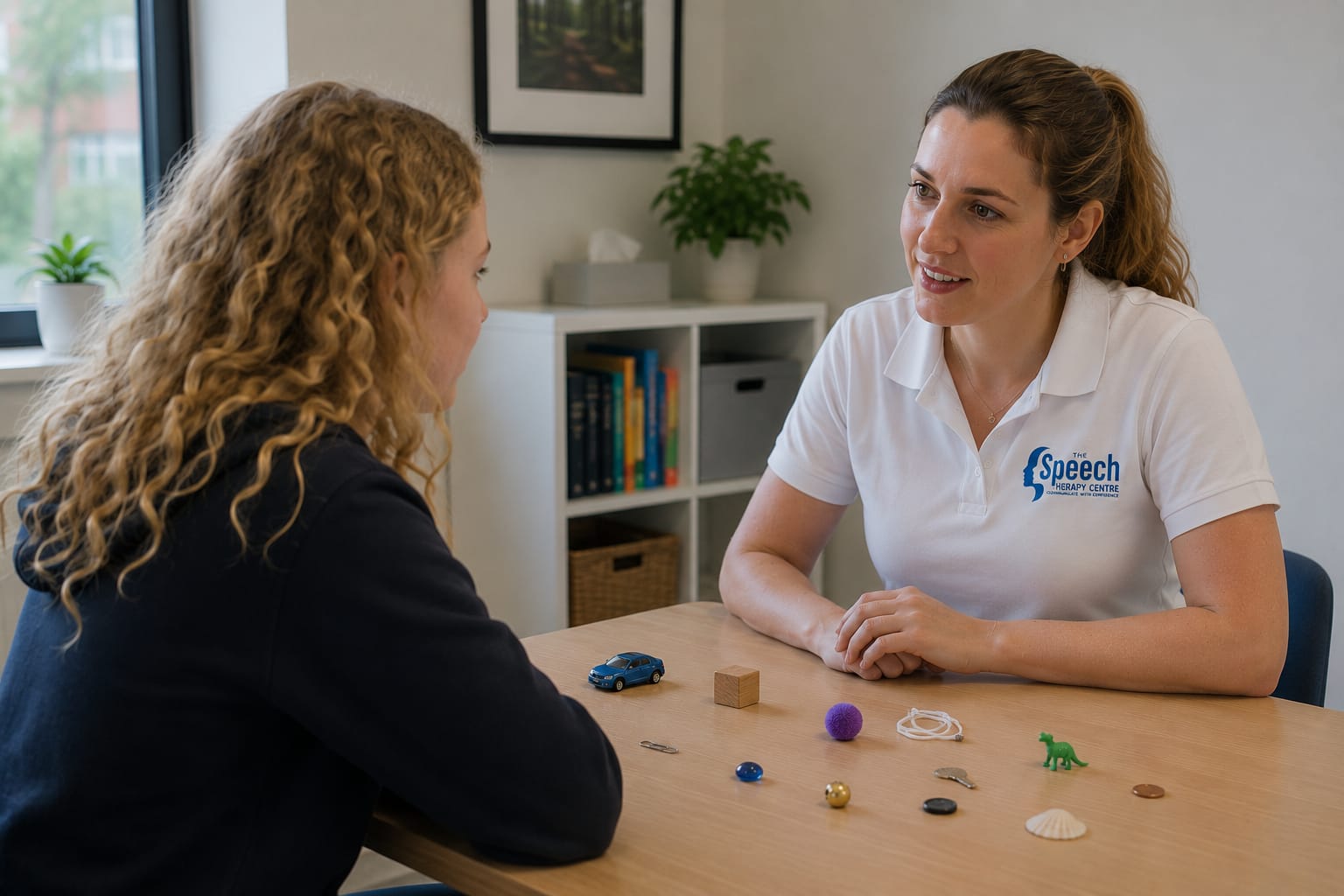
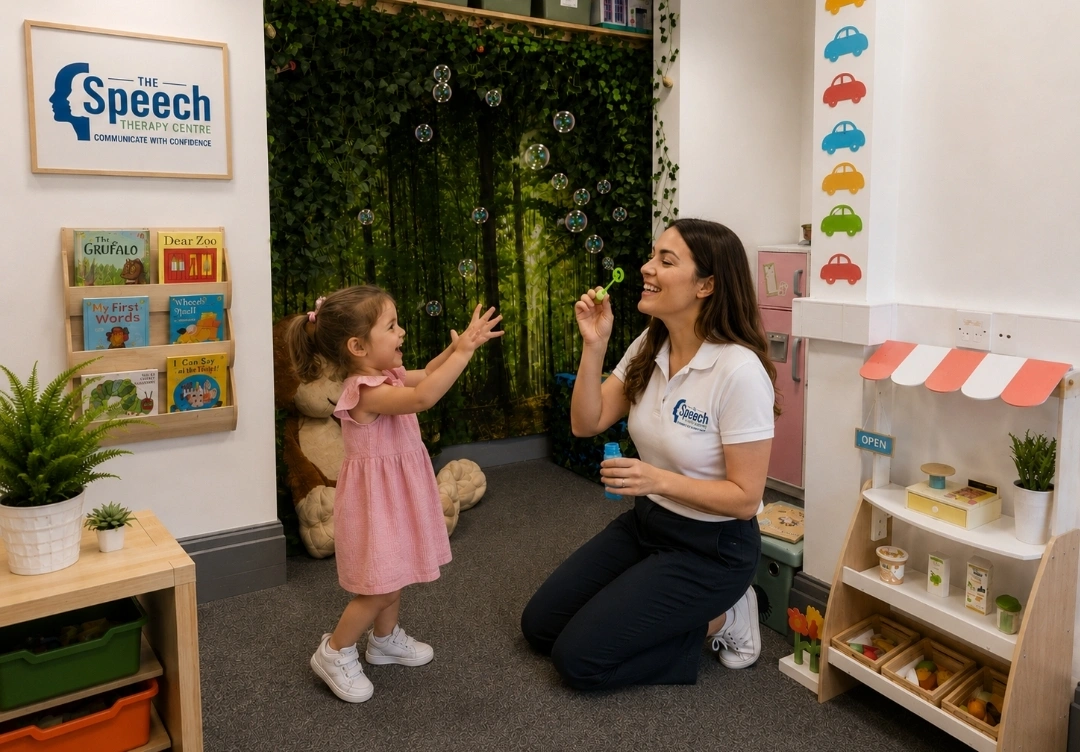
Our child assessments are designed to provide families with a clear understanding of their child’s profile while recognising their individual strengths and abilities.
Throughout the process we work closely with parents, carers and, where appropriate, schools and other professionals to gather information from a range of environments. This collaborative approach helps us build an accurate picture of your child’s development and ensures recommendations are meaningful and practical.
Assessments for adults
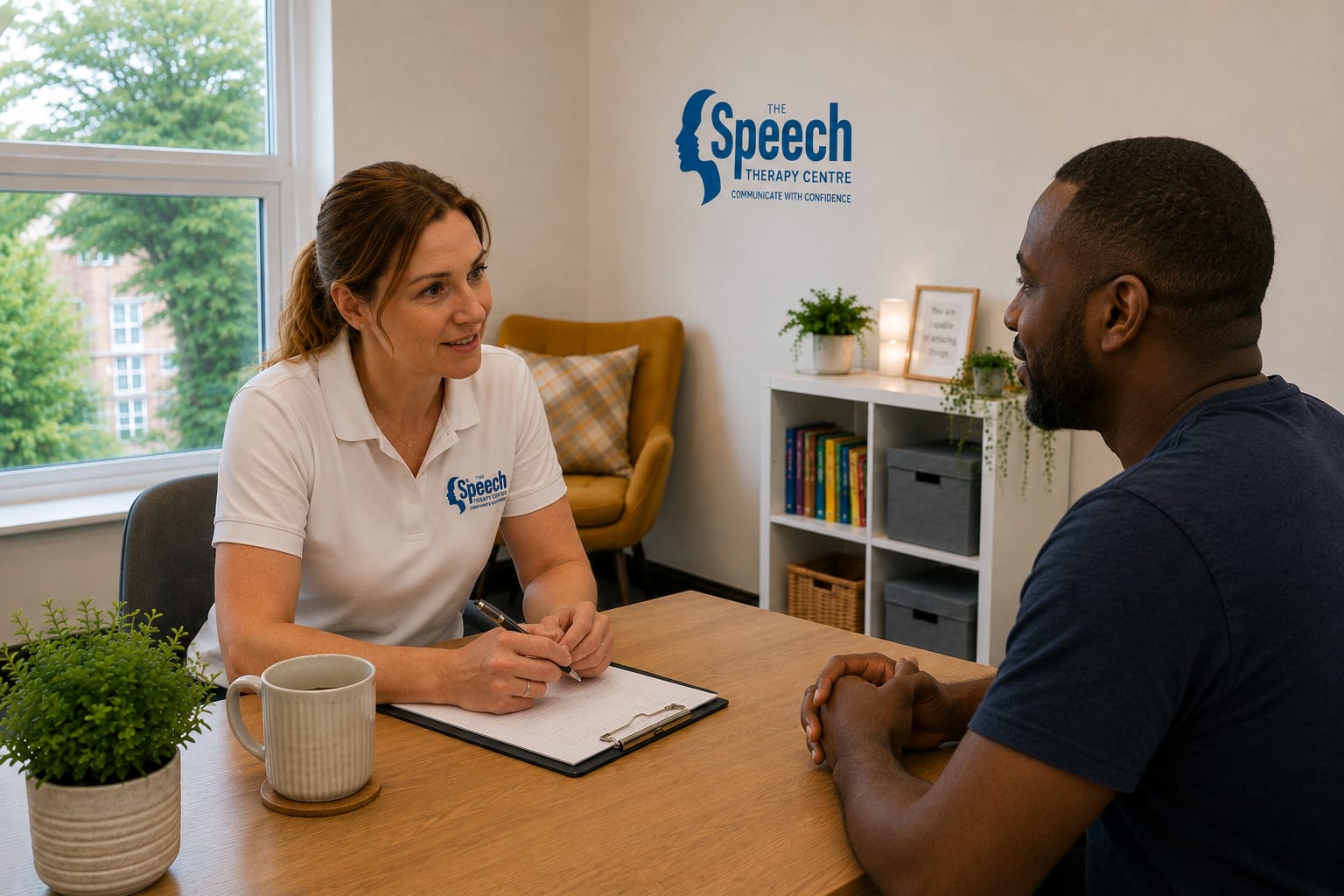
Many adults seek an assessment after recognising characteristics associated with ASD in themselves or following the diagnosis of a family member. Others may have experienced lifelong differences in communication, social interaction, sensory processing or managing everyday situations without understanding why.
Our adult assessments provide a supportive and respectful environment in which individuals can explore their experiences. We recognise that ASD presents differently in every person and take time to understand each individual’s history, strengths and current experiences.
Post diagnostic support
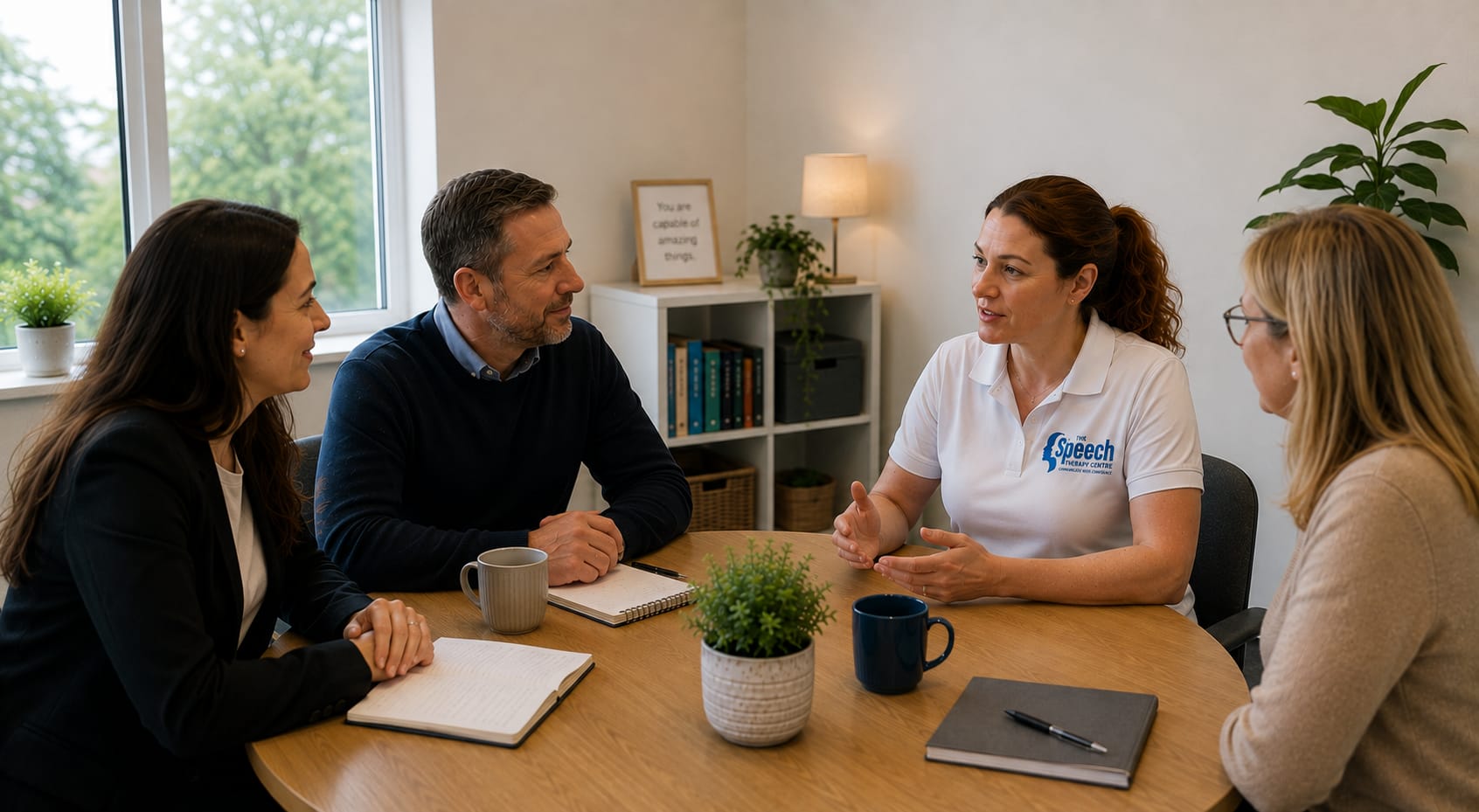
Receiving an ASD diagnosis can bring clarity and understanding, but it can also raise new questions about what the diagnosis means in everyday life. Our post-diagnostic support helps children, adults and families understand individual strengths, differences and needs, and identify practical strategies that can make a meaningful difference.
Support is individualised and strengths-based and can focus on areas such as communication, social interaction, sensory needs, emotional wellbeing, self-advocacy and developing a greater understanding of ASD.
Wherever possible, we support individuals within their usual environments, such as at home, school, college or in the workplace. This allows us to understand how needs affect everyday life, work alongside the people who support the individual and develop practical strategies that can be used where they matter most.
Why choose The Speech Therapy Centre?
Frequently asked questions
ASD (Autism Spectrum Disorder) is a lifelong neurodevelopmental difference that can affect how a person communicates, interacts with others, processes information and experiences the world around them. Every person is different, with their own individual strengths, needs and experiences. A comprehensive assessment helps to understand an individual’s unique profile and whether this is consistent with a diagnosis of ASD.
An ASD assessment involves gathering information from several different sources to build a detailed picture of the individual. This would include an initial consultation, a detailed developmental history, standardised autism assessment, questionnaires and information from family members. For children and young people, this would also include accessing information from their education setting. All of the information gathered is then brought together and reviewed by the multidisciplinary team.
Our assessments bring together appropriately qualified clinicians from different professional backgrounds, including Speech and Language Therapy and Clinical Psychology. The multidisciplinary approach allows different aspects of development, communication, social interaction, behaviour and emotional wellbeing to be considered, alongside possible alternative or co-occurring needs.
Once all elements of the assessment have been completed, the multidisciplinary team meets to review and integrate the evidence and reach a clinical conclusion. You will then receive feedback explaining the outcome and have an opportunity to ask questions. A comprehensive written report is provided, including the assessment findings, diagnostic outcome and individual recommendations.
We provide ASD assessments for children, young people and adults. People come to us for many different reasons, including concerns around social communication and interaction, differences in behaviour or sensory processing, difficulties within education, work or relationships, or simply wanting a better understanding of themselves or their child.
Yes. Our assessment pathway is designed in line with NICE guidance, with a strong emphasis on multidisciplinary assessment and clinical decision-making. ASD is not diagnosed using one test or assessment tool alone. Evidence from across the assessment pathway is considered collectively by the multidisciplinary team before reaching a diagnostic conclusion.
There is no single test for ASD. Our assessment pathway includes a combination of clinical assessment, developmental information, observation and recognised standardised assessment tools. Alongside information gathered throughout the wider assessment pathway.
Our support does not end with a diagnosis. We offer personalised post-diagnostic support to help children, adults and families understand the individual’s autistic profile and what this means in everyday life. Support includes recommendations tailored to the individual’s needs and priorities and can focus on communication, relationships, emotional wellbeing, education, employment, independence and family understanding.
Ready to Get Started?
Whether you’re looking for support for yourself, your child, a family member, or your organisation, our team is here to help.
Contact us to discuss your concerns, learn more about our services or arrange an assessment with one of our experienced Speech and Language Therapists.
Our therapists are registered with